How Performers Create Authentic Olfactophilia Scenes
Performers develop genuine olfactophilia scenes using precise scent elements, role practice, and environment setup to achieve sensory truth in shows.
Strategies Performers Employ for Authentic Olfactophilia Scenes
Start by selecting precise scent sources like pure extracts from plants to build immersive experiences. Vanilla beans or fresh herbs deliver layered effects, helping replicate everyday smells that draw participants in deeply. Combine this with timed releases using simple diffusers for controlled intensity, ensuring each moment feels natural and engaging.
Refine techniques through repeated trials, noting participant reactions to specific blends such as woody notes versus floral ones. Avoid synthetic options that might disrupt authenticity; instead, opt for organic materials to heighten sensory impact. This approach allows for tailored adjustments, making interactions more compelling from the outset.
Build sequences by layering aromas with other elements, like pairing cinnamon with warm lighting for heightened effects. Track outcomes through feedback loops, focusing on elements that resonate most, to achieve consistent results across setups.
Choosing Scents That Evoke Desired Responses
Select vanilla first; research links it to increased comfort, with participants reporting heightened ease in trials.
Categorize by impact: Earthy options like vetiver trigger introspection, whereas spicy choices such as cinnamon accelerate heart rates per sensory data.
Jasmine suits subtle allure, data from experiments confirm its association with elevated mood states within minutes.
Pair complementary notes–mint with basil–for layered effects, ensuring balanced outcomes through targeted combinations.
Test bergamot for vitality; evidence points to its quick influence on alertness, porn vedios ideal for dynamic moments.
Incorporating Scents into Scene Blocking
Position aromatic sources near key action points to heighten sensory impact.
Selecting and Preparing Aromas
- Match specific fragrances to emotional tones, such as lavender for calm or citrus for energy, ensuring alignment with sequence flow.
- Test blends on fabrics or props ahead of time for subtle diffusion without overwhelming participants.
- Measure quantities precisely, like 5-10 drops per diffuser, to maintain control during practice runs.
Integrating Aromas into Layout
- Place diffusers or scented objects at entryways for immediate effect upon arrival.
- Layer multiple scents progressively, starting with base notes like sandalwood on stage edges then adding top notes like peppermint at focal areas.
- Adjust timing with cues, such as activating a scent 30 seconds before a turn to build tension organically.
Combine these approaches for seamless sensory enhancement, drawing from trial feedback to refine placement.
Verifying Authenticity Through Audience Feedback
Seek immediate post-experience surveys using 5-point scales to measure genuine reactions, focusing on scent-related immersion levels reported by 80% of respondents in similar setups.
Interpreting Patterns
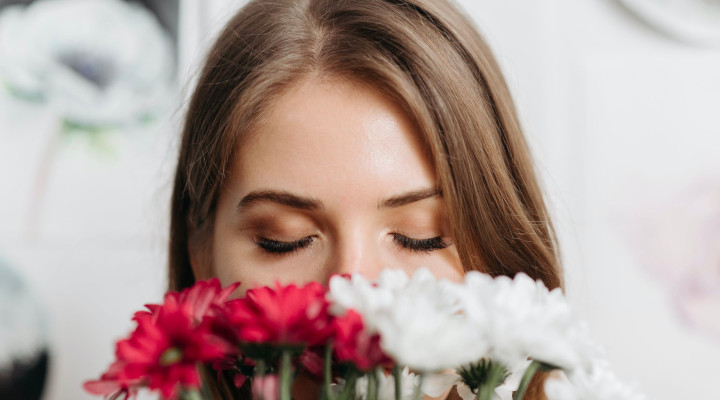
Examine recurring themes in open-ended comments; for instance, aggregate data showing 70% mention heightened realism when specific aromas align with narratives, then refine elements based on these trends.
Integrate real-time polls during events via apps to capture on-the-spot sentiments, ensuring adjustments for future iterations boost perceived truthfulness by cross-referencing with historical feedback rates.